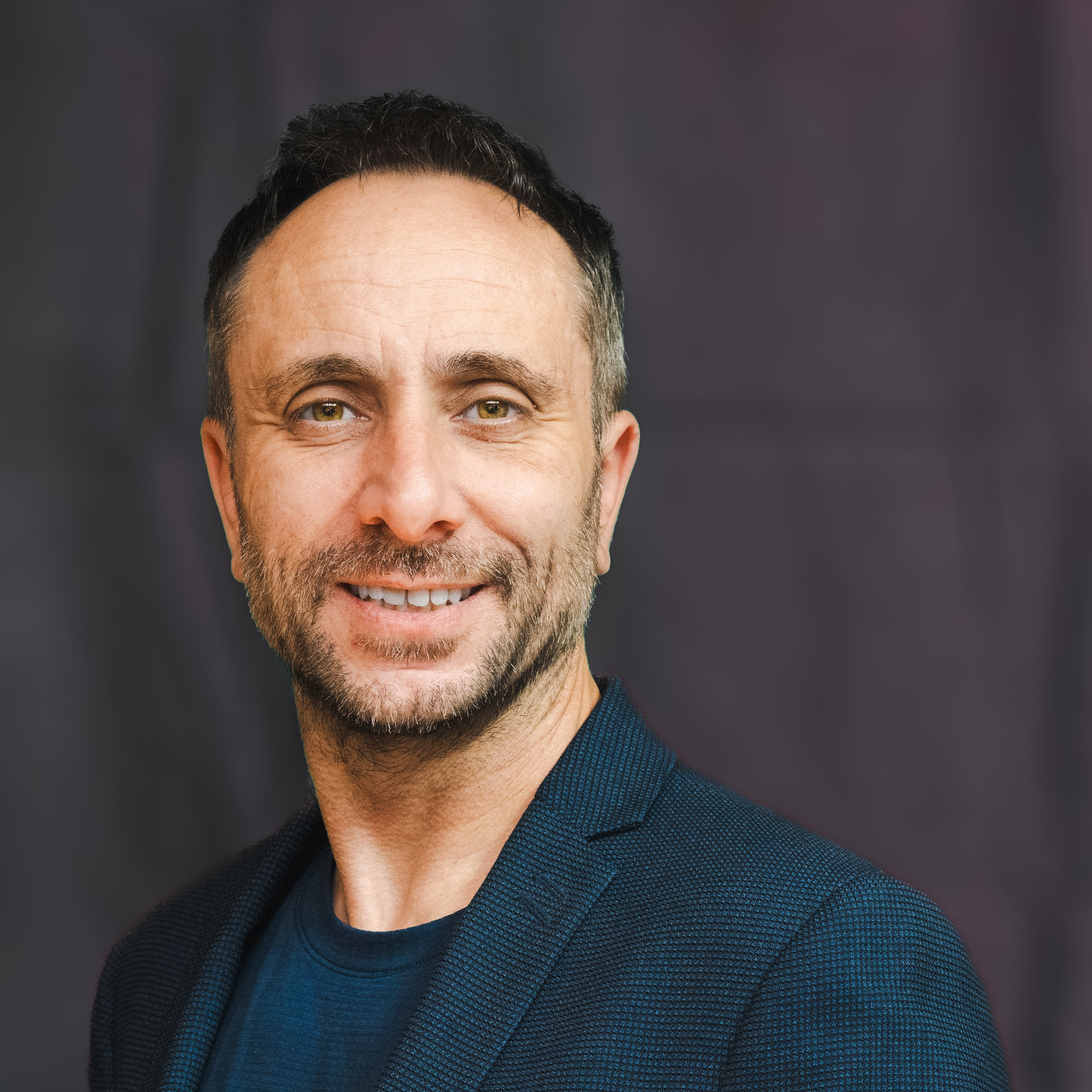
Kim N. Green
Biography
Kim N. Green, Ph.D., is Chancellor's Professor and Vice Chair in the Department of Neurobiology and Behavior at the University of California, Irvine. Green received a Ph.D. from the Institute for Cardiovascular Research at the University of Leeds, UK, in 2002, followed by postdoctoral training at UC Irvine under Frank LaFerla. Green has been a faculty member at UC Irvine since 2010, advancing from Assistant Professor to Chancellor's Professor in 2024.
Green's research focuses on the role of microglia in neurodegenerative diseases, particularly Alzheimer's disease. Green's laboratory discovered that microglia are dependent on colony-stimulating factor 1 receptor (CSF1R) signaling for survival in the adult brain and identified a microglial cell population capable of repopulating the brain following microglial depletion. This work has led to investigations of microglial replacement as a therapeutic strategy for aging and neurodegeneration. Green serves as Multiple Principal Investigator and Co-Head of the Disease Modeling and Phenotyping Project for the UC Irvine Alzheimer's Disease Translational Center (MODEL-AD), a $47 million NIH-funded initiative to develop next-generation mouse models of Alzheimer's disease incorporating human genetic variants.
Green has received the Glenn Award for Research in Biological Mechanisms of Aging and the UCI Distinguished Mid-Career Faculty Award for Research. Green's paper on microglial replacement in aged mice was named Aging Cell Best Paper of the Year in 2019. Green serves as Chair of the NIH CMBG study section and has been a standing member since 2023. Green has trained numerous graduate students and postdoctoral fellows, with several trainees receiving NRSA awards, and teaches large-enrollment courses including Bio 93 (From DNA to Organism) with over 1,200 students.
Return to topEducation
- B. Med. Sc. (Hons), University of Birmingham, UK, 1999
- Ph.D., University of Leeds, UK, 2002
Distinctions
- Chancellor's Professor, 2024
- UCI Distinguished Mid-Career Faculty Award for Research, 2025
- Al Nichols Distinguished Young Investigator Award, 2007
- Deans Honoree for Teaching Excellence, 2023
- School of Biological Sciences Golden Apple Award for Excellence in Teaching, 2022
- Ayala School Golden Apple Award for Excellence in Teaching, 2015
- Hellman Fellowship, 2013
- Service Award, Department of Neurobiology and Behavior, 2020
- Aging Cell Best Paper of the year, 2019
- Glenn Award for Research in Biological Mechanisms of Aging, 2016
- Medical Research Council Student Fellowship, 1999
Areas of Expertise
- Neurodegeneration and Neuroinflammation
- Microglial Biology and Repopulation
- Alzheimer's Disease Pathogenesis
- Perineuronal Net Regulation
- CSF1R Signaling Mechanisms
- Transgenic Mouse Model Development
- Spatial Transcriptomics and Proteomics
Recent Publications
- Butler C.A., Gee M.S., O'Gara K., Milinkeviciute G., Da Cunha C., Kawauchi S., Lu Y.-H., Kwang N., Tsourmas K.I., Prekopa C., Shi Z., Liang H.Y., Collins S.D., Pashkutz Z.A., Sanchez J.A., Shi K.-X., Walker A.D., Wang S., Wong M.L.A., Genaro K., et al., “Abi3S212F Alzheimer's disease variant alters plaque structure and disrupts microglia” (opens in new tab), Alzheimer S and Dementia, vol. 22, 2026.
- Tran KM, Kwang N, Gomez-Arboledas A, Kawauchi S, Mar C, Chao D, Da Cunha C, Wang S, Collins S, Walker A, Shi KX, Alcantara JA, Neumann J, Tenner AJ, LaFerla FM, Hohsfield LA, Swarup V, MacGregor GR, Green KN, “APOE Christchurch enhances a disease-associated microglial response to plaque but suppresses response to tau pathology” (opens in new tab), Molecular Neurodegeneration, vol. 20, pp. 9, 2025.
- Henningfield CM, Ngo M, Murray KM, Kwang NE, Tsourmas KI, Neumann J, Pashkutz ZA, Kawauchi S, Swarup V, Lane TE, MacGregor GR, Green KN, “Generation of an Inducible Destabilized-Domain Cre Mouse Line to Target Disease Associated Microglia” (opens in new tab), Glia, vol. 73, pp. 1272-1287, 2025.
- Hohsfield LA, Kim SJ, Barahona RA, Henningfield CM, Mansour K, Vallejo KD, Tsourmas KI, Kwang NE, Ghorbanian Y, Angulo JAA, Gao P, Pachow C, Inlay MA, Walsh CM, Xu X, Lane TE, Green KN, “Identification of the velum interpositum as a meningeal-CNS route for myeloid cell trafficking into the brain” (opens in new tab), Neuron, vol. 113, pp. 2455-2473.e6, 2025.
- Barahona RA, Kwang NE, Kono-Soosaipillai AR, Rubio Salgado G, Tran KM, Lu YH, Reddy S, da Cunha C, Velazquez-Rivera E, Crapser JD, Xu X, Hohsfield LA, Green KN, “Aggrecan protects against plaque accumulation and is essential for proper microglial responses to plaques” (opens in new tab), Cell Reports, vol. 44, no. 8, pp. 116064, 2025.
- Tsourmas K.I., Butler C.A., Kwang N.E., Sloane Z.R., Dykman K.J.G., Maloof G.O., Choudhury B.P., Paulchakrabarti M., Prekopa C.A., Tabaie E.Z., Krattli R.P., El-Khatib S.M., Swarup V., Acharya M.M., Hohsfield L.A., Green K.N., “Microglial replacement in a Sandhoff disease mouse model reveals myeloid-derived β-hexosaminidase is necessary for neuronal health” (opens in new tab), Nature Communications, vol. 16, 2025.
- Soni N, Hohsfield LA, Tran KM, Kawauchi S, Walker A, Javonillo D, Phan J, Matheos D, Da Cunha C, Uyar A, Milinkeviciute G, Gomez-Arboledas A, Tran K, Kaczorowski CC, Wood MA, Tenner AJ, LaFerla FM, Carter GW, Mortazavi A, Swarup V, et al., “Genetic diversity promotes resilience in a mouse model of Alzheimer's disease” (opens in new tab), Alzheimer S and Dementia, vol. 20, pp. 2794-2816, 2024.
- Garcia-Agudo LF, Shi Z, Smith IF, Kramár EA, Tran K, Kawauchi S, Wang S, Collins S, Walker A, Shi KX, Neumann J, Liang HY, Da Cunha C, Milinkeviciute G, Morabito S, Miyoshi E, Rezaie N, Gomez-Arboledas A, Arvilla AM, Ghaemi DI, et al., “BIN1K358R suppresses glial response to plaques in mouse model of Alzheimer's disease” (opens in new tab), Alzheimer S and Dementia, vol. 20, pp. 2922-2942, 2024.
- Butler CA, Mendoza Arvilla A, Milinkeviciute G, Da Cunha C, Kawauchi S, Rezaie N, Liang HY, Javonillo D, Thach A, Wang S, Collins S, Walker A, Shi KX, Neumann J, Gomez-Arboledas A, Henningfield CM, Hohsfield LA, Mapstone M, Tenner AJ, LaFerla FM, et al., “The Abca7V1613M variant reduces Aβ generation, plaque load, and neuronal damage” (opens in new tab), Alzheimer S and Dementia, vol. 20, pp. 4914-4934, 2024.
- Henningfield CM, Soni N, Lee RW, Sharma R, Cleland JL, Green KN, “Selective targeting and modulation of plaque associated microglia via systemic hydroxyl dendrimer administration in an Alzheimer's disease mouse model” (opens in new tab), Alzheimer's Research and Therapy, vol. 16, no. 1, pp. 101, 2024.
- Tran KM, Kawauchi S, Kramár EA, Rezaie N, Liang HY, Sakr JS, Gomez-Arboledas A, Arreola MA, Cunha CD, Phan J, Wang S, Collins S, Walker A, Shi KX, Neumann J, Filimban G, Shi Z, Milinkeviciute G, Javonillo DI, Tran K, et al., “A Trem2*R47H mouse model without cryptic splicing drives age- and disease-dependent tissue damage and synaptic loss in response to plaques” (opens in new tab), Molecular Neurodegeneration, vol. 18, no. 1, pp. 12, 2023.
- Milinkeviciute G, Green KN, “Clusterin/apolipoprotein J, its isoforms and Alzheimer's disease” (opens in new tab), Frontiers in Aging Neuroscience, vol. 15, pp. 1167886, 2023.
- Furman S, Green KN, Lane TE, “COVID-19 and the impact on Alzheimer's disease pathology” (opens in new tab), Journal of Neurochemistry, vol. 168, pp. 3415-3429, 2023.
- Barahona RA, Morabito S, Swarup V, Green KN, “Cortical diurnal rhythms remain intact with microglial depletion” (opens in new tab), Scientific Reports, vol. 12, pp. 114, 2022.
- Hohsfield LA, Tsourmas KI, Ghorbanian Y, Syage AR, Kim SJ, Cheng Y, Furman S, Inlay MA, Lane TE, Green KN, “MAC2 is a long-lasting marker of peripheral cell infiltrates into the mouse CNS after bone marrow transplantation and coronavirus infection” (opens in new tab), Glia, vol. 70, pp. 875-891, 2022.
- Liu YJ, Green KN, Holmes TC, Xu X, “Commentary: How Do Microglia Regulate Neural Circuit Connectivity and Activity in the Adult Brain?” (opens in new tab), Neuroscience Insights, vol. 17, pp. 26331055211071124, 2022.
- Velez DXF, Arreola M, Huh CYL, Green K, Gandhi SP, “Juvenile depletion of microglia reduces orientation but not high spatial frequency selectivity in mouse V1” (opens in new tab), Scientific Reports, vol. 12, no. 1, pp. 12779, 2022.
- Green KN, Hume DA, “On the Utility of CSF1R Inhibitors” (opens in new tab), Proceedings of the National Academy of Sciences of the United States of America, vol. 118, no. 4, pp. e2019695118, 2021.
- Crapser JD, Arreola MA, Tsourmas KI, Green KN, “Microglia as Hackers of the Matrix: Sculpting Synapses and the Extracellular Space” (opens in new tab), Cellular and Molecular Immunology, vol. 18, pp. 2472-2488, 2021.
- Arreola MA, Soni N, Crapser JD, Hohsfield LA, Elmore MRP, Matheos DP, Wood MA, Swarup V, Mortazavi A, Green KN, “Microglial dyshomeostasis drives perineuronal net and synaptic loss in a CSF1R+/- mouse model of ALSP which can be rescued via CSF1R inhibitors” (opens in new tab), Science Advances, vol. 7, no. 35, 2021.
Most Cited Publications
- Elmore MRP, Najafi AR, Koike MA, Dagher NN, Spangenberg EE, Rice RA, Kitazawa M, Matusow B, Nguyen H, West BL, Green KN, “Colony-Stimulating Factor 1 Receptor Signaling Is Necessary for Microglia Viability, Unmasking a Microglia Progenitor Cell in the Adult Brain” (opens in new tab), Neuron, vol. 82, no. 2, pp. 380-397, 2014.
- Spangenberg EE, Severson PL, Hohsfield LA, Crapser J, Zhang J, Burton B, Zhang Y, Spevak W, Lin J, Habets G, Rymar A, Tsang G, Walters J, Nespi M, Singh P, Broome S, Ibrahim P, Zhang C, Bollag G, West BL, et al., “Sustained microglial depletion with CSF1R inhibitor impairs parenchymal plaque development in an Alzheimer's disease model” (opens in new tab), Nature Communications, vol. 10, pp. 3758, 2019.
- Green KN, Billings LM, Roozendaal B, McGaugh JL, LaFerla FM, “Glucocorticoids increase Aβ and tau pathology in a mouse model of Alzheimer's disease” (opens in new tab), Journal of Neuroscience, vol. 26, no. 35, pp. 9047-56, 2006.
- Spangenberg EE, Rice RA, Elmore MRP, Blurton-Jones M, West BL, Green KN, “Eliminating microglia in Alzheimer's mice prevents neuronal loss without modulating amyloid-β pathology” (opens in new tab), Brain, vol. 139, no. 4, pp. 1265-1281, 2016.
- Dagher NN, Najafi AR, Neely Kayala KM, Elmore MRP, White T, Medeiros R, West BL, Green KN, “Colony stimulating factor 1 receptor inhibition prevents plaque-associated microglia and improves cognition in 3xTg-AD mice” (opens in new tab), Journal of Neuroinflammation, vol. 12, pp. 139, 2015.
- Forner S, Kawauchi S, Balderrama-Gutierrez G, Kramár EA, Matheos DP, Phan J, Javonillo DI, Tran KM, Hingco E, da Cunha C, Rezaie N, Alcantara JA, Baglietto-Vargas D, Jansen C, Neumann J, Wood MA, MacGregor GR, Mortazavi A, Tenner AJ, LaFerla FM, et al., “Systematic phenotyping and characterization of the 5xFAD mouse model of Alzheimer's disease” (opens in new tab), Scientific Data, vol. 8, pp. 270, 2021.
- Elmore MRP, Hohsfield LA, Kramár EA, Soreq L, Lee RJ, Pham ST, Najafi AR, Wood MA, West BL, Green KN, “Replacement of Microglia in the Aged Brain Reverses Cognitive, Synaptic, and Neuronal Deficits in Mice” (opens in new tab), Aging Cell, vol. 17, pp. e12832, 2018.
- Crapser JD, Spangenberg EE, Barahona RA, Arreola MA, Hohsfield LA, Green KN, “Microglia facilitate loss of perineuronal nets in the Alzheimer's disease brain” (opens in new tab), EBioMedicine, vol. 58, pp. 102919, 2020.
Contact Information
Website: https://faculty.sites.uci.edu/kimgreen/
Email: kngreen@uci.edu
Phone: (949) 824-1932
Address: 3208 Biological Sciences III
Return to topThis profile was created with the help of AI.
Last updated on 8/17/2026.